Erik Keller · 22 October 2026
Examining Partnership Models Between Independent Herbal Producers and Research Institutions for Ingredient Validation
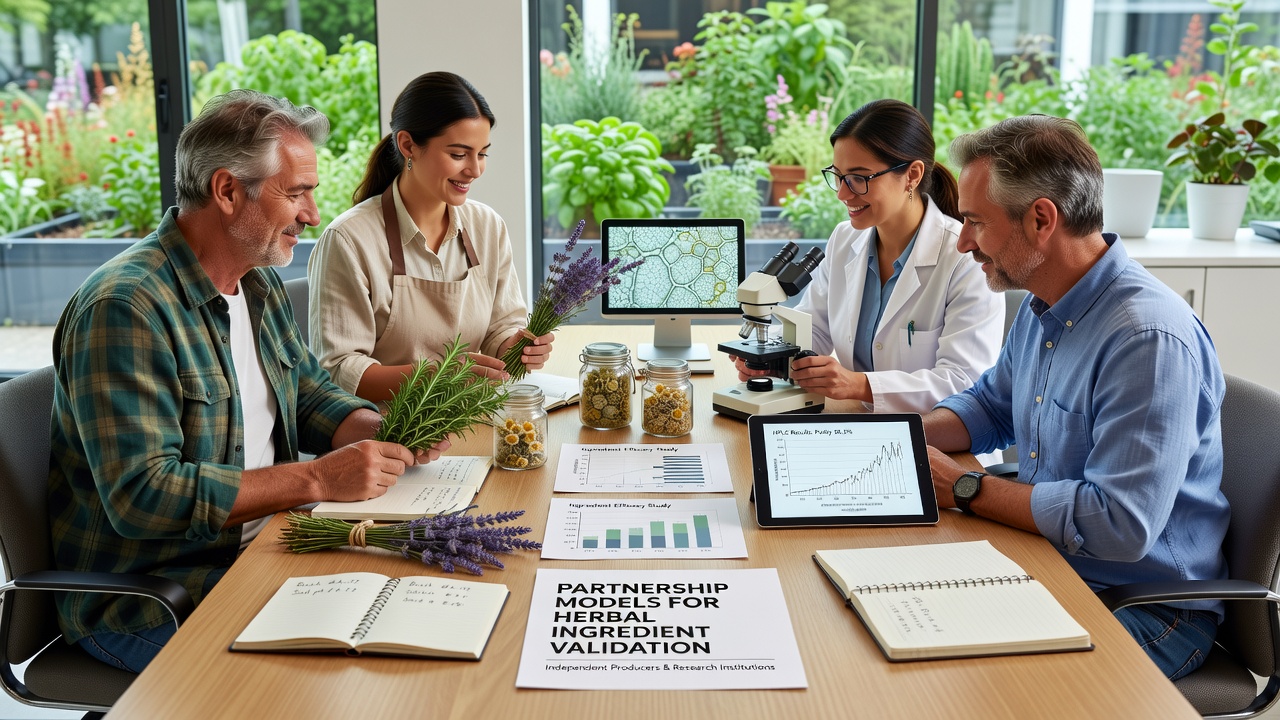
Independent herbal producers often seek partnerships with research institutions to establish scientific validation for their botanical ingredients, and these collaborations take several distinct forms that address quality standards, analytical testing, and regulatory compliance. Researchers at universities and government laboratories provide access to advanced equipment and methodologies that smaller operations typically lack, while producers contribute raw material samples and field knowledge about cultivation practices. Data from the European Medicines Agency shows that joint validation projects have increased steadily since 2020, with over 150 documented agreements across EU member states by mid-2025.
Common Partnership Structures
Contract research agreements represent one primary model where producers fund specific assays at institutional labs, and results feed directly into product documentation. Another approach involves shared research grants through programs administered by bodies such as the United States Department of Agriculture, allowing both parties to co-author publications while splitting intellectual property rights according to predefined terms. Observers note that these structures frequently include milestone-based payments tied to successful completion of HPLC profiling, heavy metal screening, and microbial limit tests.
Consortium-style arrangements bring multiple producers together with a single academic center, pooling resources for large-scale studies on species authentication through DNA barcoding and metabolomic fingerprinting. Figures from the World Health Organization indicate that such groups have generated reference libraries covering 320 medicinal plant species as of 2025, reducing duplication of effort across the sector.
Validation Protocols in Practice
Ingredient validation typically begins with botanical identification using macroscopic, microscopic, and genetic methods, followed by quantitative analysis of marker compounds. Research institutions apply techniques like liquid chromatography-mass spectrometry to confirm identity and detect adulterants, while producers supply harvest records and geographic origin data. Studies conducted at the University of Melbourne demonstrate that partnerships incorporating both chemical and genomic data achieve 94 percent accuracy in species confirmation, compared with 71 percent when relying on chemical markers alone.
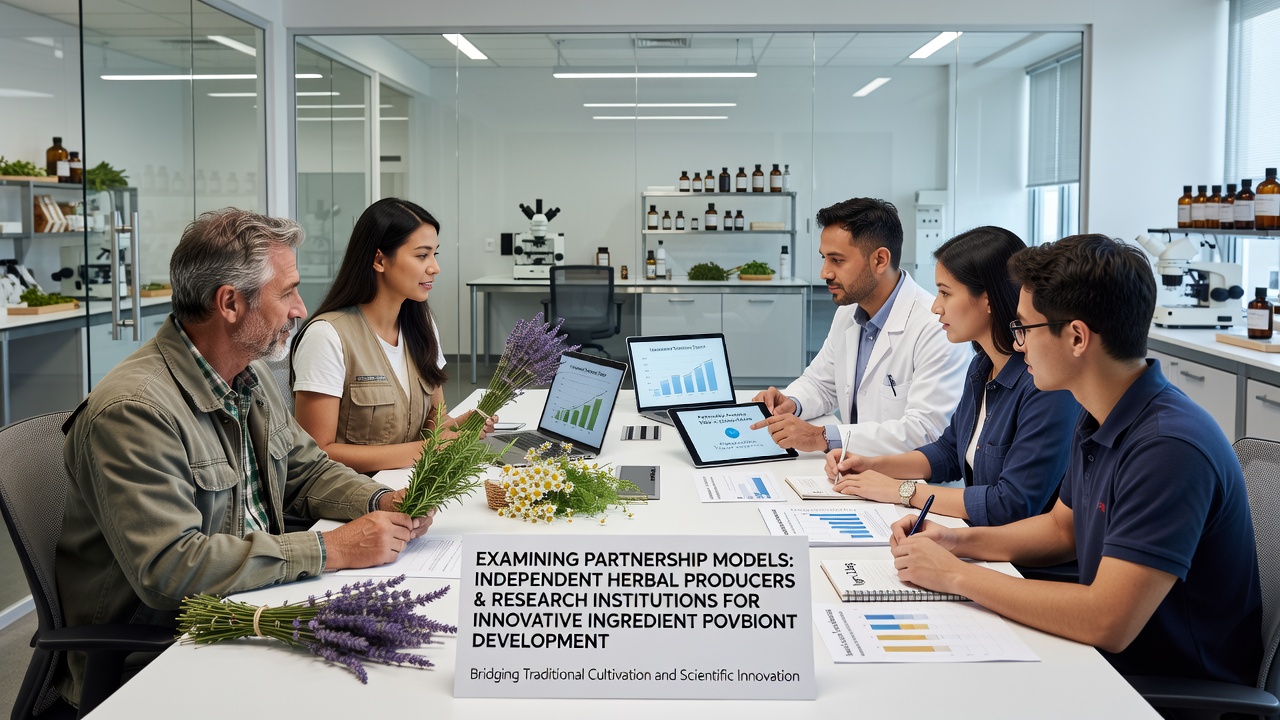
Protocols also address stability under various storage conditions and potential interactions with other botanicals, requirements that align with guidelines issued by Health Canada and the Therapeutic Goods Administration in Australia. Teams often schedule quarterly reviews to incorporate new analytical findings and adjust extraction parameters accordingly.
Regulatory and Documentation Outcomes
Validated data packages support submissions for novel food approvals or traditional herbal registration dossiers, and institutions frequently assist producers in formatting results to meet agency specifications. Records from the Australian Therapeutic Goods Administration reveal that applications backed by university-verified studies receive approval 40 percent faster on average than those relying solely on in-house testing. Producers gain access to peer-reviewed citations that strengthen marketing claims while remaining within permitted language boundaries.
Training components form another element of many agreements, with institutional staff delivering workshops on good agricultural and collection practices plus laboratory quality management. These sessions help producers implement internal controls that maintain consistency across batches and prepare them for future audits.
Developments Anticipated in Late 2026
October 2026 is expected to bring updated guidance from the European Commission on the use of next-generation sequencing for botanical authentication, a change that will require many existing partnerships to expand their analytical scope. Research institutions in several member states have already begun pilot projects to validate new bioinformatics pipelines against established pharmacopoeial methods. Producers participating in these trials report streamlined documentation processes once the updated standards take effect.
Conclusion
Partnership models between independent herbal producers and research institutions continue to evolve as analytical technologies advance and regulatory expectations tighten. These arrangements deliver standardized data that supports ingredient claims across multiple markets while distributing the costs and expertise required for rigorous validation. Continued expansion of consortium approaches and integration of emerging genomic tools will shape the next phase of collaboration, particularly as new guidance documents emerge in 2026.