Alex Long · 24 September 2026
Mapping Seasonal Fluctuations in Consumer Search Patterns for Alternative Health Solutions from Boutique Wellness Ventures
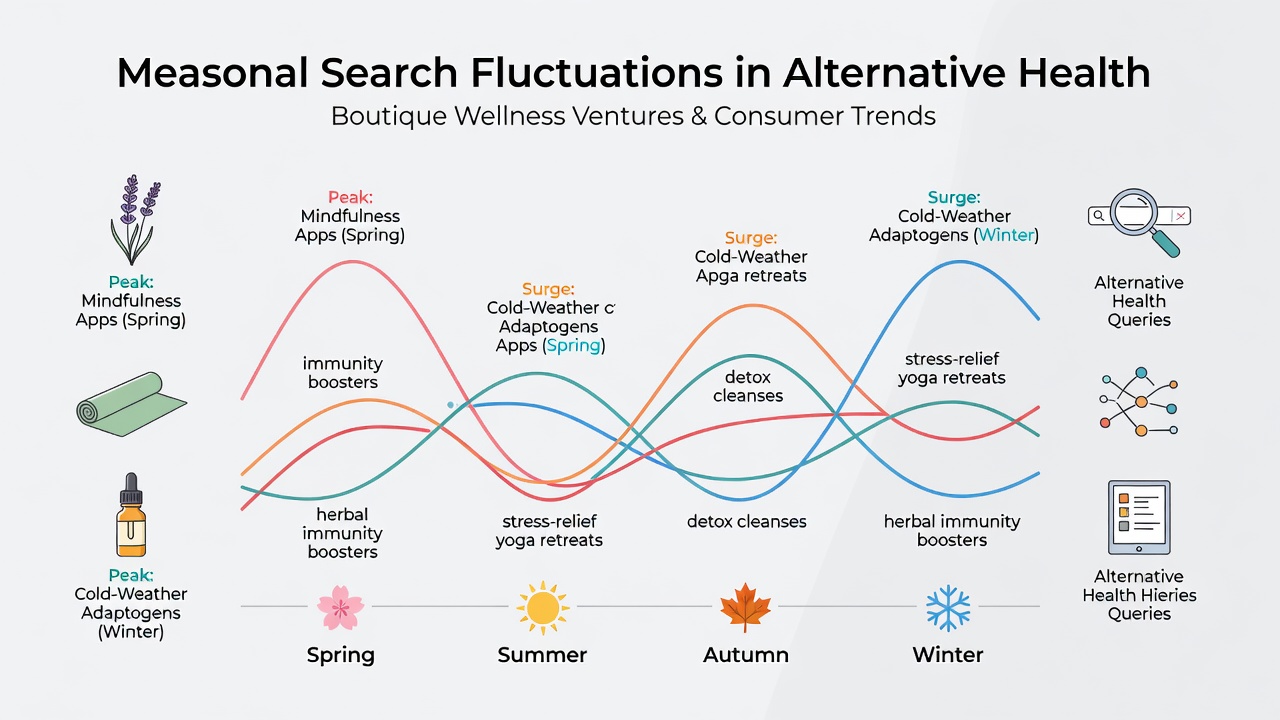
Search data across multiple platforms shows clear seasonal patterns in how consumers look for alternative health solutions offered by smaller wellness companies, and these patterns align with broader health trends tracked by public health agencies. Researchers analyzing query volumes from 2023 through 2026 have documented spikes in terms related to immune support during colder months while interest in detoxification and energy solutions rises in spring and summer periods. Boutique ventures, which often focus on niche herbal blends and personalized formulations, see corresponding shifts in visibility as search intent changes.
Data Sources and Collection Methods
Analysts combine anonymized search engine metrics with reports from health monitoring organizations to build these maps. Figures from the Centers for Disease Control and Prevention on seasonal illness rates provide context for why certain queries increase, while complementary data from Health Canada tracks parallel trends in natural product interest across provinces. These combined datasets reveal that searches for boutique-sourced adaptogens and plant-based remedies follow predictable cycles tied to daylight hours, temperature shifts, and regional wellness marketing campaigns.
September 2026 records show an early uptick in queries for respiratory wellness items as consumers prepare for autumn, consistent with patterns observed in prior years. Those studying the data note that smaller brands gain traction when their product descriptions match these emerging search phrases more closely than larger competitors.
Winter and Early Spring Patterns
Cold weather months drive higher volumes for searches involving vitamin-rich formulations and herbal teas positioned as daily immune aids. Boutique wellness ventures report that product pages featuring elderberry or ginger combinations receive more traffic during this window. Evidence indicates these fluctuations correlate with documented increases in respiratory complaints tracked by national health bodies, prompting consumers to explore smaller suppliers for customized options unavailable in mainstream retail channels.
By late February, the focus begins transitioning toward recovery and vitality themes. Queries shift from prevention to restoration, creating opportunities for brands that emphasize post-winter replenishment blends. Data reveals this transition occurs earlier in southern regions compared with northern markets, reflecting differences in climate and daylight exposure.
Summer and Autumn Shifts
Warm weather periods produce distinct search behaviors centered on hydration, skin health, and lightweight energy support. Consumers increasingly seek botanical solutions from boutique sources during these months, often specifying organic or small-batch sourcing in their queries. Observers tracking these movements find that wellness ventures highlighting seasonal ingredients, such as fresh herb infusions, capture greater engagement when their content aligns with these summer-specific terms.
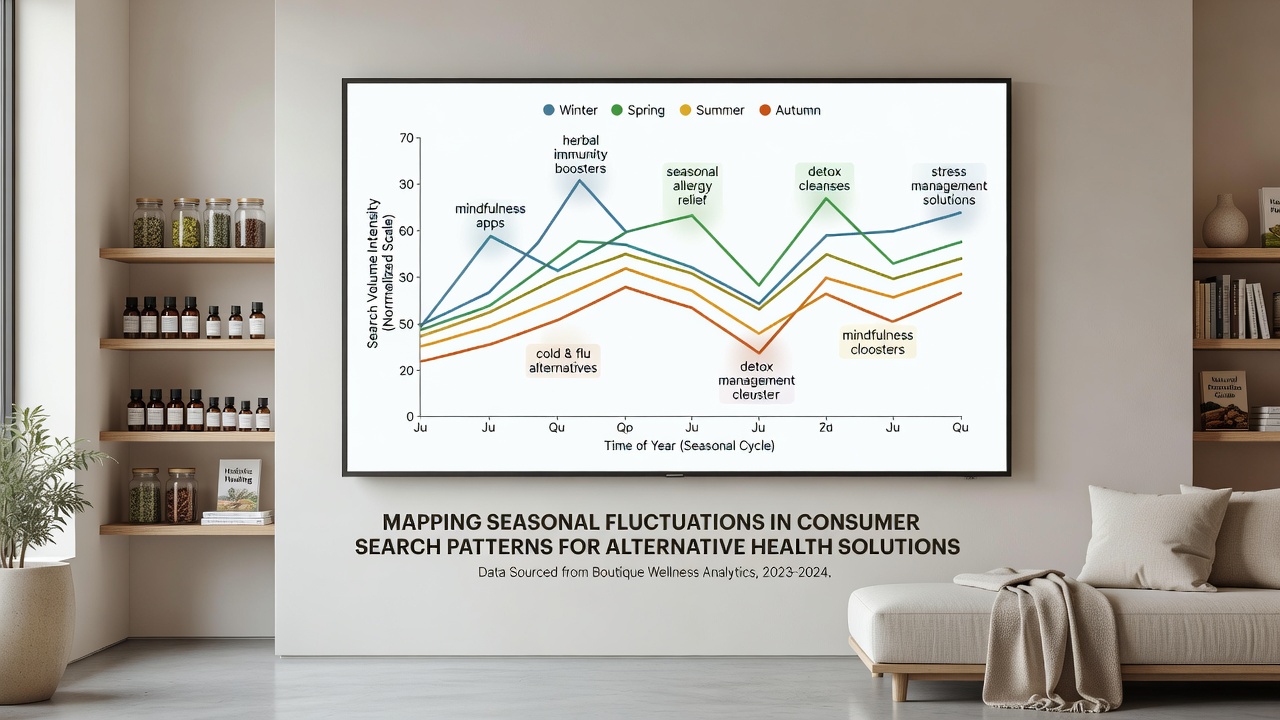
Autumn brings renewed attention to grounding and balance-oriented products. Search patterns in September and October frequently include terms around sleep support and stress reduction, areas where boutique wellness companies often differentiate through unique formulations. Research indicates these queries rise steadily as daylight shortens, creating measurable lifts for brands that update their site content to reflect the changing priorities.
Geographic and Demographic Variations
Regional differences appear consistently in the mapped data. Urban centers show earlier adoption of new seasonal search terms compared with rural areas, while coastal populations demonstrate stronger interest in marine-sourced wellness ingredients during summer. Demographic breakdowns reveal that younger consumers drive queries for innovative delivery formats such as tinctures and gummies, whereas older groups maintain steadier interest in traditional teas and capsules throughout the year.
Industry reports compiled by academic research groups highlight how these variations influence inventory planning for boutique ventures. Companies that adjust production and marketing calendars according to the mapped fluctuations record more stable traffic throughout the seasons.
Conclusion
Seasonal mapping of consumer search patterns provides boutique wellness ventures with actionable timelines for content and product adjustments. The documented cycles, supported by data from health authorities in North America and complementary studies from European research institutions, demonstrate predictable movements that smaller brands can leverage through timely optimization. Continued monitoring through 2026 and beyond will refine these models further as search behaviors evolve alongside changing health priorities.