Yves Hoffmann · 10 September 2026
The Hidden Supply Chain Dynamics Behind Niche Wellness Product Development
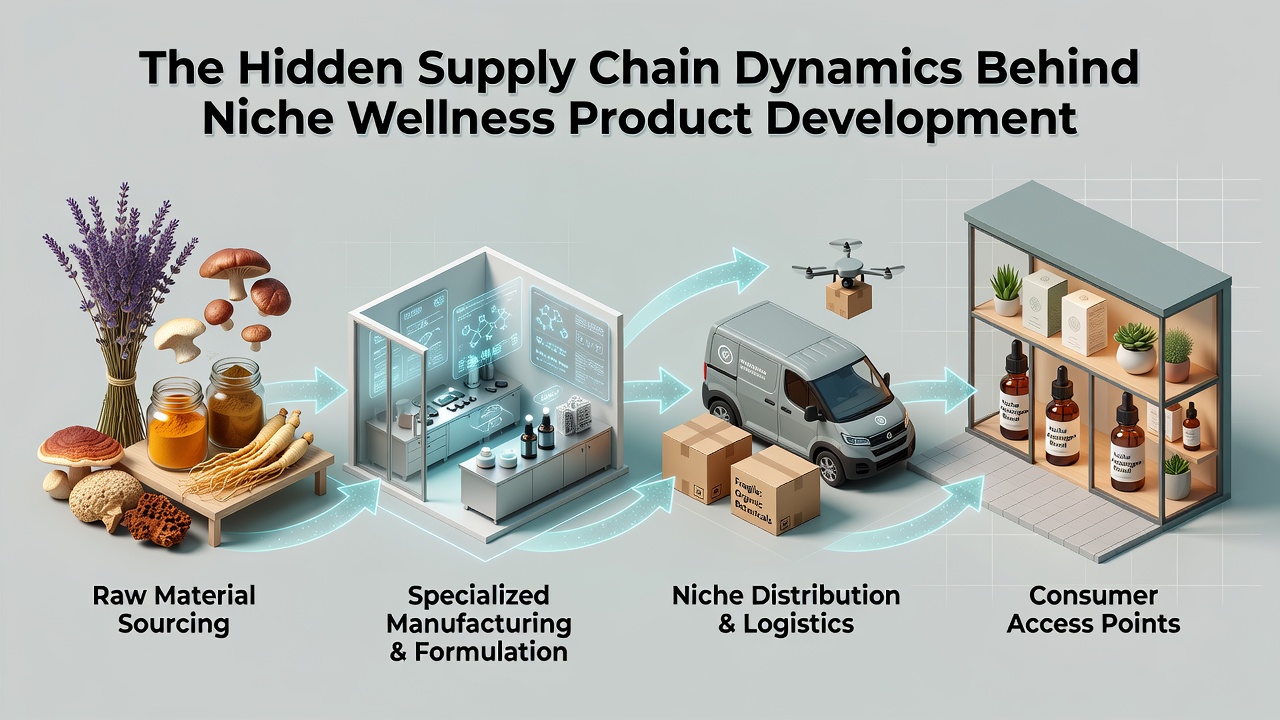
Supply chains for niche wellness products such as specialized herbal extracts, adaptogenic blends, and targeted nutritional formulations operate through layered networks that often remain invisible to end consumers, and these networks involve multiple tiers of suppliers who source botanicals from remote regions while navigating seasonal harvests and regulatory hurdles across borders. Data from global trade records shows that many ingredients originate in countries like India, Peru, and Indonesia where smallholder farmers cultivate plants under variable climate conditions that directly affect yield volumes each year.
Raw Material Sourcing Patterns
Producers of niche wellness items frequently rely on contract growers who maintain exclusive agreements for rare botanicals, and this setup creates dependencies that surface when weather disruptions hit key growing areas. Researchers at agricultural institutes have tracked how droughts in South American sourcing zones reduce availability of certain roots used in stress-support formulas, which then forces manufacturers to seek alternative suppliers in East Africa with comparable but not identical phytochemical profiles. Those who've examined procurement logs note that traceability requirements have tightened since 2023 as companies adopt digital ledgers to document origin points from farm to extraction facility.
Cost structures shift when intermediaries handle initial drying and sorting steps before materials reach processing plants, and figures from industry analyses reveal markups that can reach 40 percent at this stage alone. Observers point to examples where a single batch of a particular mushroom extract passes through three separate handlers, each adding documentation and quality checks that compound expenses passed along the line.
Manufacturing and Quality Control Layers
Small-scale facilities that produce limited-run wellness products must comply with current good manufacturing practices enforced by agencies such as the U.S. Food and Drug Administration, and these standards dictate everything from equipment sanitation to batch testing protocols. In September 2026, updated traceability mandates are scheduled to take effect in several markets, requiring digital records that link final capsules back to specific harvest dates and grower identifiers. Australian Therapeutic Goods Administration guidelines already emphasize similar verification steps for imported herbal components, which has prompted some developers to integrate blockchain systems for real-time monitoring.
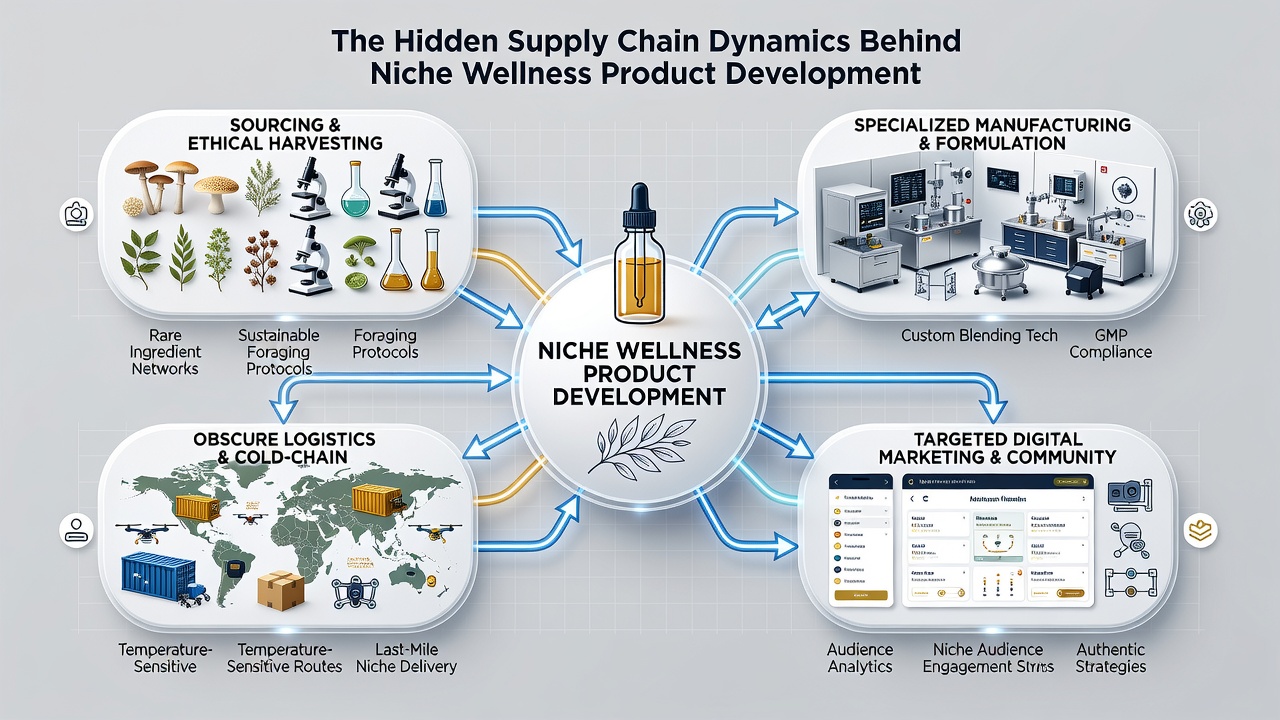
Extraction methods vary widely depending on the compound targeted, and supercritical CO2 techniques used for certain oils demand specialized equipment that only a handful of contract manufacturers operate at commercial volumes. People familiar with production schedules report that equipment downtime at these sites can delay entire product launches by weeks while alternative processors are located and validated.
Distribution and Regulatory Navigation
Once formulated, niche products move through specialized distributors who focus on health food stores, practitioner networks, and direct-to-consumer channels rather than mass retail shelves. Temperature-controlled shipping becomes essential for probiotic-containing items or heat-sensitive extracts, and logistics providers maintain dedicated cold chains that add measurable overhead to each shipment. European Medicines Agency oversight covers certain botanical preparations sold as traditional herbal medicinal products, which creates distinct documentation paths compared to dietary supplements routed through North American channels.
Hidden bottlenecks appear when customs inspections flag shipments for additional testing, and records from trade databases indicate that delays average 12 to 18 days for wellness ingredients crossing into Canada where Health Canada applies its own pre-market review criteria. Companies that diversify their supplier base across multiple continents reduce exposure to single-point disruptions, yet this strategy increases the complexity of maintaining consistent potency across batches.
Technology Integration and Future Adjustments
Some developers have begun embedding sensors in shipping containers to monitor humidity and vibration levels during transit, and pilot programs described in supply chain journals demonstrate measurable reductions in spoilage rates for delicate plant materials. Research institutions continue to publish studies on how blockchain platforms can verify ethical sourcing claims without revealing proprietary supplier details, which addresses both regulatory demands and consumer interest in origin transparency.
Market data compiled through 2025 shows steady growth in demand for regionally specific wellness items such as Australian native botanicals or Nordic berry extracts, and this trend pressures supply networks to scale while preserving the small-batch authenticity that defines the category. Adjustments in one segment, such as a shift in Indian turmeric export policies, ripple outward to affect formulation choices in multiple product lines worldwide.
Conclusion
Supply chain dynamics for niche wellness products reflect interconnected decisions made at every stage from cultivation through final delivery, and these decisions shape availability, pricing, and compliance outcomes in measurable ways. Organizations that map their full supplier tiers and adopt verification tools position themselves to handle fluctuations without compromising product standards. Continued monitoring of regulatory updates across regions remains essential as requirements evolve.